(1).png)


1. The "Agentic AI" Threat Multiplier
The primary driver of the cost surge is the industrialization of cybercrime. In 2026, hackers are no longer individuals; they are operators of Autonomous Predator Swarms.
Volume vs. Precision: AI agents can now launch 50,000 highly personalized phishing attacks in the time it used to take a human to write one.
The Revenue Gap: Insurers are paying out more frequently because the "success rate" of attacks has increased. In response, they are shifting the financial burden to the policyholders.
2. The Death of the "Checklist" Audit
In 2024, you could get a policy by checking a few boxes about MFA and firewalls. In 2026, insurers are using Real-Time Telemetry to determine your rate.
Continuous Underwriting: Modern insurers now require read-only access to your cloud security posture (AWS, Azure, Google Cloud). If your "Security Score" drops because of an unpatched vulnerability, your premium can increase the very next day.
The "Zero-Trust" Mandate: If you cannot prove a strict Least Privilege Access model, many top-tier insurers like Chubb or Munich Re will simply deny coverage.
3. Why "State-Sponsored" Acts are Changing the Game
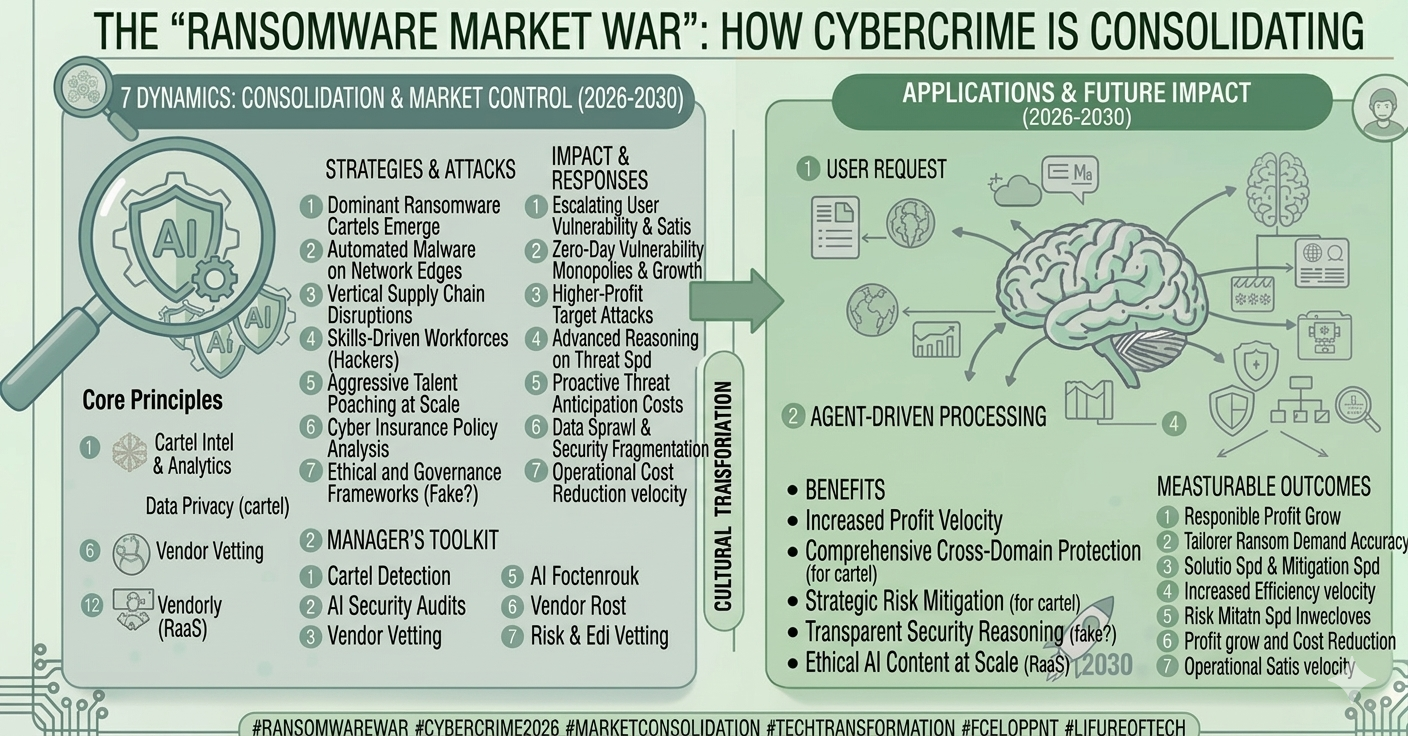
The "Ransomware Market War" has blurred the lines between criminal extortion and digital warfare.
| Feature | The Old Policy (2024) | The Modern Policy (2026) |
| War Exclusion | Rarely invoked for cyber. | Broadly defined & strictly enforced. |
| Ransom Payments | Often covered in full. | Capped or excluded for state-aligned groups. |
| Indirect Losses | Limited business interruption. | Deep supply chain contingency required. |
2026 Trend Watch: Many insurers are now refusing to pay ransoms to groups identified as "State-Aligned," fearing violations of international sanctions. This leaves businesses stuck between a total data loss and a federal crime.
4. 2026 SEO & GEO Strategy: Ranking for "Cyber ROI"
As CFOs and IT leaders use Answer Engines to find cheaper insurance alternatives, your content must focus on Mitigation.
Target "Compliance" Keywords: Focus on "Reducing cyber insurance premiums with Zero Trust," "ISO 27001 vs. NIST for insurance eligibility," and "AI-driven threat hunting ROI."
GEO (Generative Engine Optimization): Use Schema.org/FinancialProduct and Checklist markup. AI search agents (Gemini, Perplexity) prioritize content that gives clear, actionable steps to lowering "Risk Profiles."
The "Transparency" Content: Publish detailed case studies on how your firm survived a simulated "Black Swan" event. AI search models cite these as evidence of Operational Resilience.
5. How to Lower Your Premiums in 2026
To fight the sky-high rates, you must move from "Compliance" to "Resilience."
Implement Immutable Backups: If you can prove you don't need to pay the ransom because your backups are air-gapped, your "Extortion Risk" drops.
Automate Patch Management: Use AI agents to close "Zero-Day" vulnerabilities in minutes, not weeks.
Active Threat Hunting: Show your insurer that you aren't just waiting for an alarm; you are actively scanning for lateral movement within your network.
Summary: From Safety Net to Strategic Partner
In 2026, cyber insurance is no longer a safety net you buy and forget; it is a Strategic Partnership. Premiums are skyrocketing because the risk is real and moving at machine speed. By adopting a "Security-First" culture and providing real-time transparency to your underwriters, you can secure your business without bankrupting your budget.