(1).png)


1. Copilot vs. Agent: What’s the Difference in 2026?
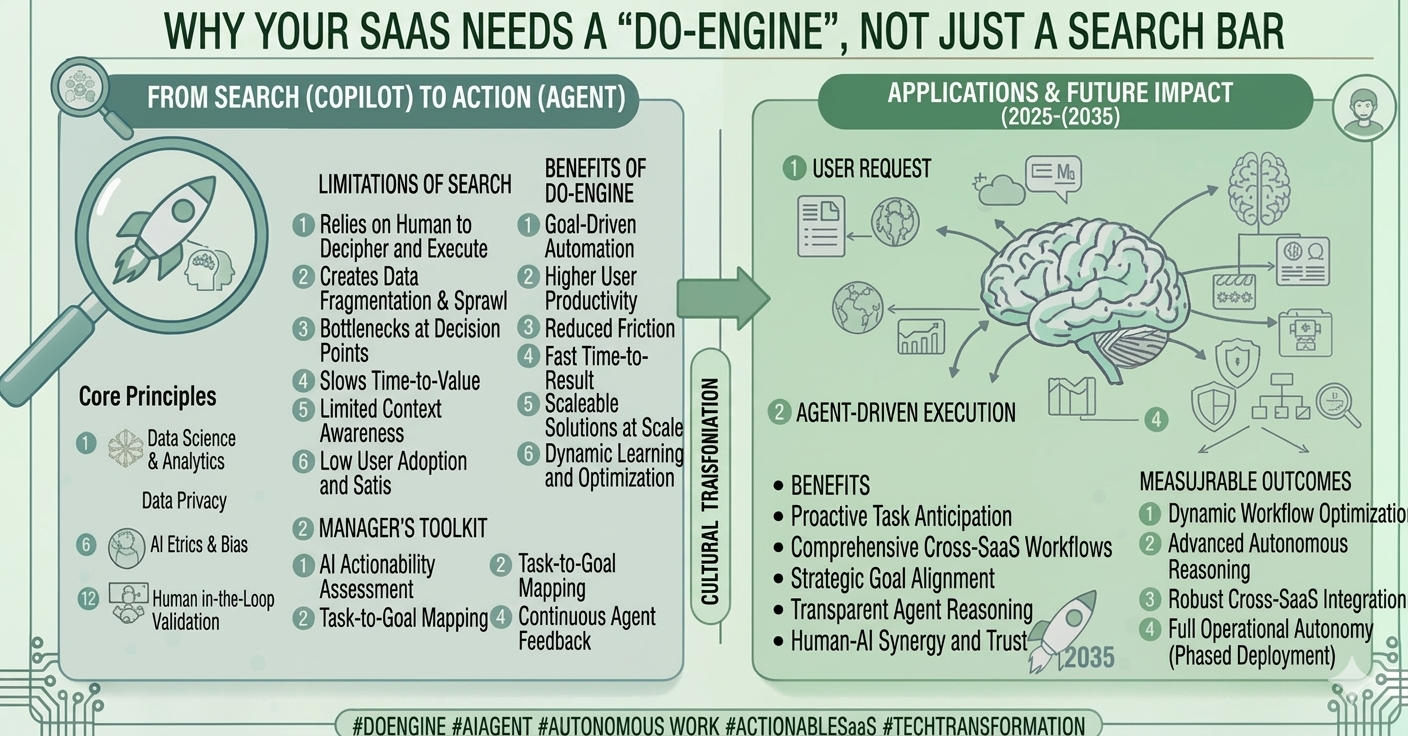
In 2026, the distinction is no longer technical; it’s operational. While a Copilot waits for your command, an Agent pursues a goal.
| Feature | The Copilot (2024–2025) | The AI Agent (2026 Standard) |
| Autonomy | Reactive: Responds only when prompted. | Proactive: Initiates tasks to reach a goal. |
| Workflow | Task-based: Drafts a single email. | Role-based: Manages an entire campaign. |
| Reasoning | Linear, step-by-step logic. | Multi-step "Agentic" reasoning with loops. |
| Tool Use | Suggests which tool to use. | Autonomous: Operates APIs, CRMs, and apps. |
| Persistence | Session-based (forgets once closed). | Persistent: Maintains memory across days. |
2. From "Tools" to "Teammates": The Agentic Leap
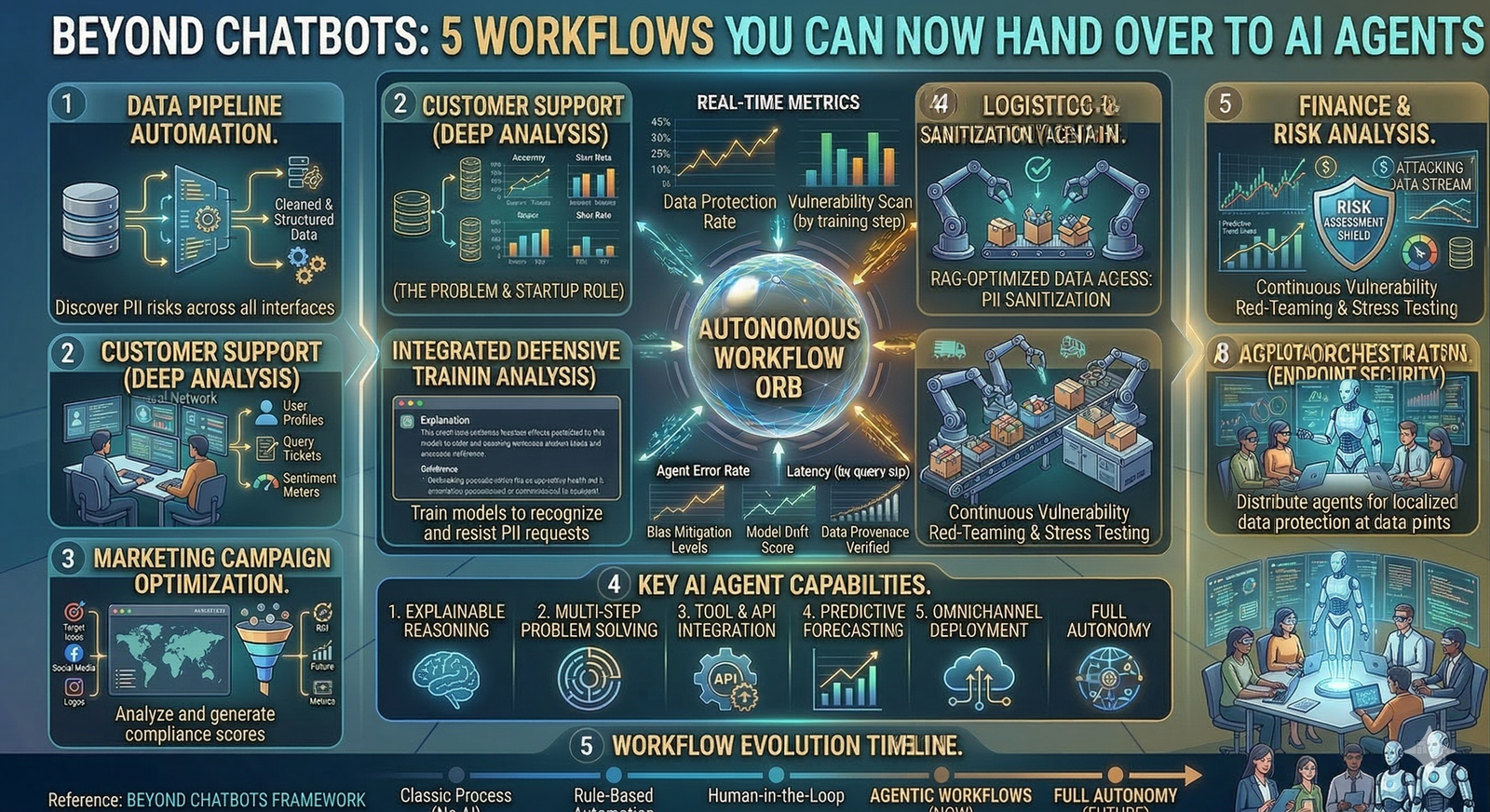
The "Agent Leap" of 2026 is defined by Agentic Orchestration. We no longer manage a single bot; we manage "Digital Assembly Lines" where multiple specialized agents collaborate.
The Role-Based AI Colleague
Instead of a generic "AI assistant," companies are now hiring "Digital Employees" with specific job descriptions:
The Research Agent: Continuously monitors market trends in Wah Cantt and Islamabad, summarizing competitor moves before you even ask.
The Triage Agent: Manages your entire inbox, resolving Tier-1 support issues and only escalating complex "empathy-required" cases to you.
The Ops Agent: Detects low inventory, negotiates with suppliers via API, and drafts the purchase order for your final approval.
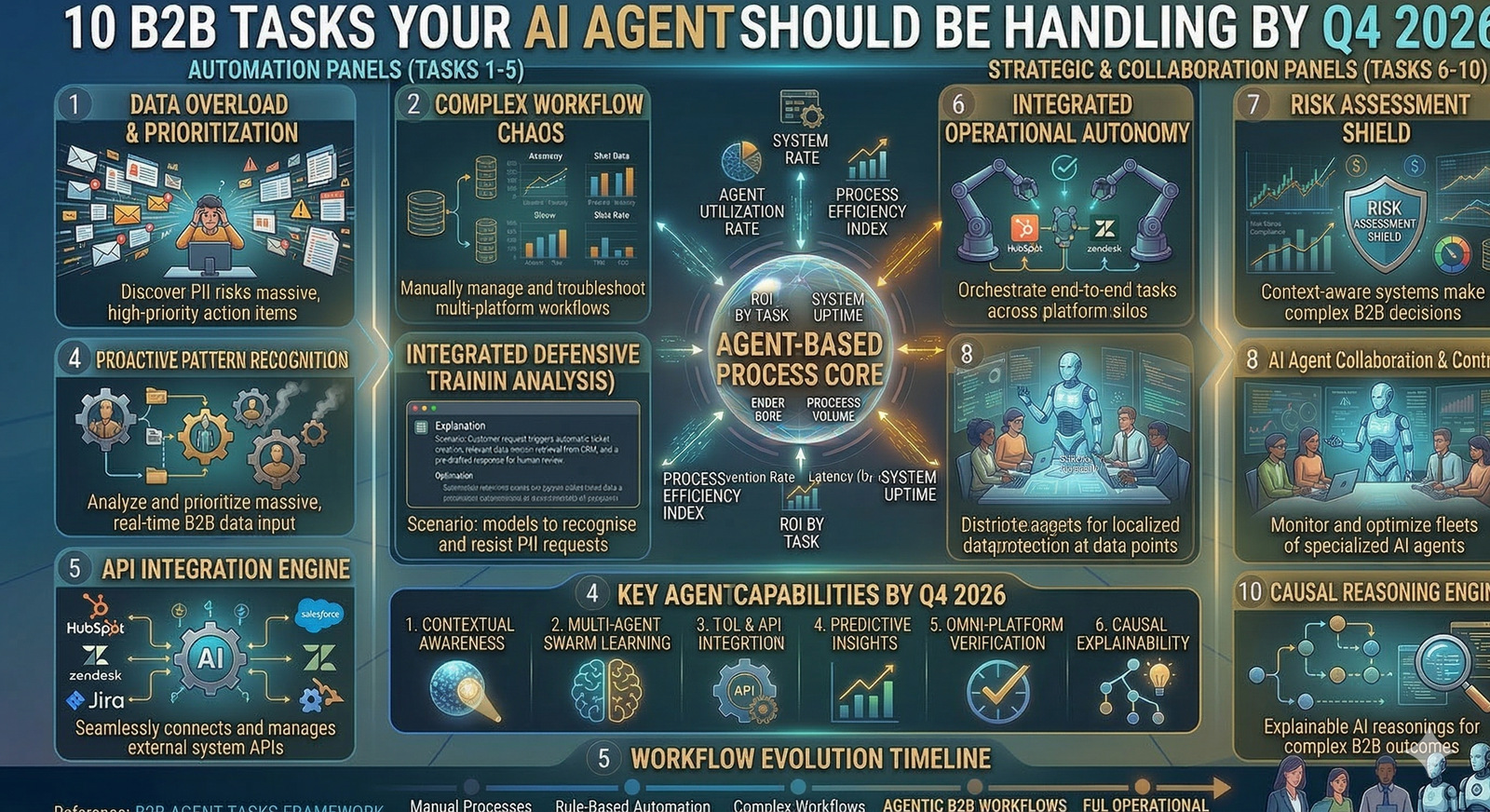
3. High-Impact Use Cases: 2026 Business Results
The ROI of AI Agents in 2026 is significantly higher than traditional GenAI because they handle end-to-end loops, not just fragments of work.
Software Development: Agents now work for days at a time, building entire feature sets and running their own QA tests, while humans focus on high-level system architecture.
Customer Concierge: Support has moved from "reactive" to "proactive." Agents reach out to customers to resolve a shipping delay before the customer even notices it.
Sales Acceleration: Agents analyze inbound leads, score them against ideal profiles, and automatically book meetings on your calendar with pre-prepared briefing notes.
4. The 2026 Challenge: Becoming an "AI Manager"
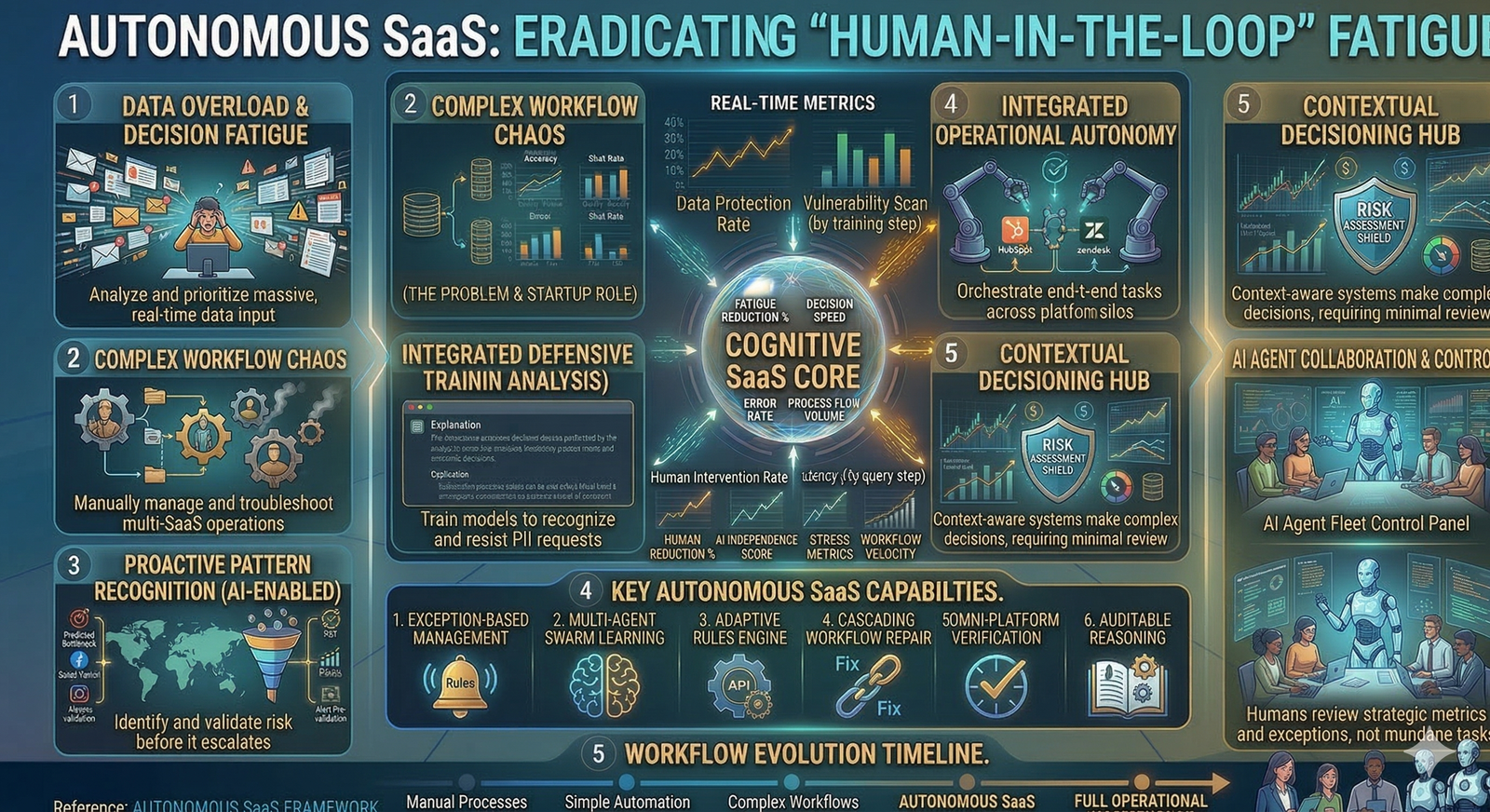
As AI moves from Copilot to Colleague, your job description is changing. By 2026, every employee has effectively become an AI Orchestrator.
Task Decomposition: The ability to break a vague objective (e.g., "Launch this product") into a structured series of agent-ready instructions.
Autonomous Governance: Monitoring your "digital workforce" for bias, drift, and security. In 2026, security is "ambient"—built directly into the agent’s identity.
Human-in-the-Loop (HITL): Knowing exactly when to let the agent run and when to step in for a "Judgment Call."
5. 2026 SEO Strategy: Ranking for "Agentic Intelligence"
In the era of Generative Engine Optimization (GEO), search is being driven by agent-to-agent communication.
Optimize for "Machine Readability": Use llms.txt files and advanced Schema Markup to help AI agents "ingest" your expertise and cite you as a primary source.
Focus on Entity Authority: AI agents in 2026 prioritize brands that are mentioned consistently across high-trust platforms like Reddit, LinkedIn, and specialized industry forums.
Citation-First Content: To rank in AI Overviews (Google) or Perplexity, your content must be fact-dense. Generative agents only cite sources that offer unique data or expert perspectives.
Summary: The New Workforce Fabric
In 2026, we aren't "using" AI; we are partnering with it. The shift from Copilot to Colleague marks the end of the "Prompt Era" and the beginning of the "Collaboration Era." Those who master the art of orchestrating these digital teammates will not just be more productive—they will be the architects of the new economy.