(1).png)


1. The Legal Reality in 2026: Who Owns the Beat?
The "Core Rule" of 2026 is clear: Copyright belongs to humans, not machines. As of March 2026, the U.S. Copyright Office and EU regulators have reaffirmed that a song generated entirely by a "single click" prompt cannot be copyrighted.
The Three Buckets of Authorship
To protect your work, you must identify where your project sits in the 2026 Authorship Matrix:
| Category | Creative Input | Copyright Status |
| Purely AI-Generated | Zero human intervention after the prompt. | Non-Copyrightable in major markets. |
| AI-Assisted (Human-Led) | Human writes lyrics/melody; AI acts as the "studio band." | Copyrightable for the human-authored elements. |
| AI-Enhanced | Human-created tracks using AI for mixing or textures. | Strong Copyright (Traditional legal protection). |
2. Creative Frontiers: The Rise of "Agentic Composers"
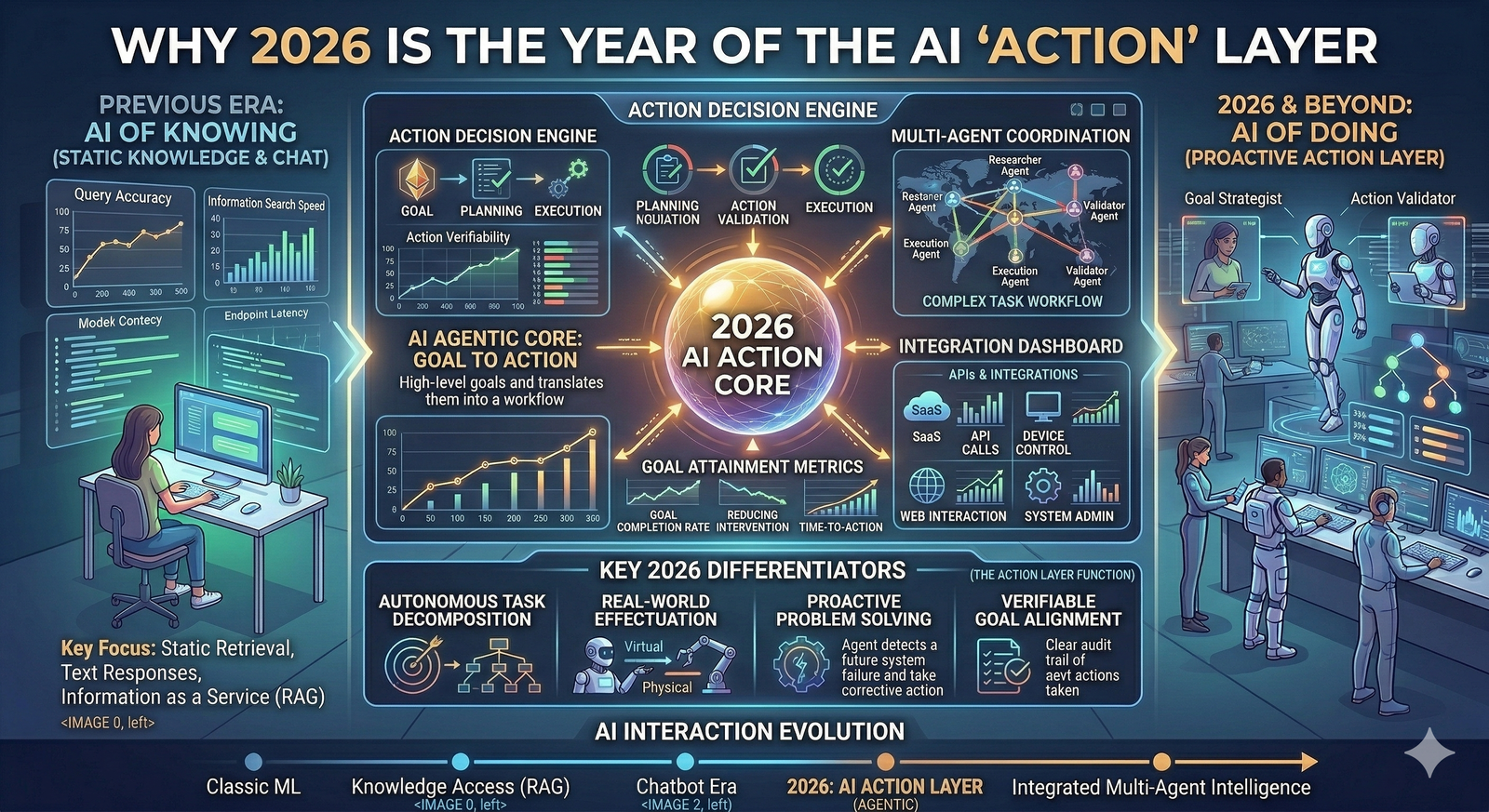
In 2026, the technology has moved beyond simple text-to-audio. We are now in the era of Agentic Music AI, where systems act as collaborative "co-workers" rather than just tools.
Real-Time Personalization: Platforms like Mubert and Suno now offer dynamic "mood-streaming" where the music adapts in real-time to the listener's biometric data or context (e.g., heart rate during a workout).
Multimodal Composition: Tools like Amuse now allow creators to upload a photo or a video clip, and the AI generates a cinematic score that is mathematically synchronized to the visual pacing and emotional color palette.
Stem Autonomy: Producers now use AI to generate "Stems" (separate bass, drums, and vocals) via prompts, allowing for infinite remixing while keeping the core human composition intact.
3. The "Transparency Tag" Era
In early 2026, Apple Music and Spotify launched Transparency Tags. Metadata now includes a mandatory "Content Category" tag that discloses how much AI was involved in a track's creation.
Labeling Mandates: In 2026, the EU AI Act requires all "synthetic" content to be watermarked with SynthID or similar fingerprints.
Fraud Detection: Streaming platforms now use aggressive AI detection (like Deezer’s AI-Sentry) to identify "AI Slop"—low-quality, mass-produced tracks designed to game royalty payouts. In 2025, it was reported that up to 39% of daily uploads were synthetic.
4. 2026 Best Practices: Protecting Your Rights
If you are using AI in your creative process this year, follow this Legal Safety Protocol:
Document the "Human Pivot": Always keep versions of your human-written lyrics and MIDI files with timestamps. The law looks for "identifiable human decision-making."
Verify Dataset Ethics: Only use tools like AIVA or Soundraw that offer "Ethically Sourced" models. Avoid "shadow library" tools that are currently embroiled in the $3 Billion Class-Action Lawsuit of 2026.
Use Blockchain IP: Platforms like Suede are now using blockchain to "time-stamp" original human compositions before they are processed by AI, creating an immutable record of original authorship.
License Proactively: If your AI tool offers a "Commercial License," read the fine print. Often, you own the recording, but the compositional rights remain in a legal gray area.
Summary: The "Centaur" Artist
The "Next Big Leap" in 2026 is the Centaur Artist—a creator who uses AI for the mechanical "grunt work" of production while retaining absolute control over the emotional and melodic soul of the music. By documenting your process and choosing transparent tools, you can explore the creative frontier without losing your legal ground.